ColonyKind's Pilot Program
Brookside: The backstory
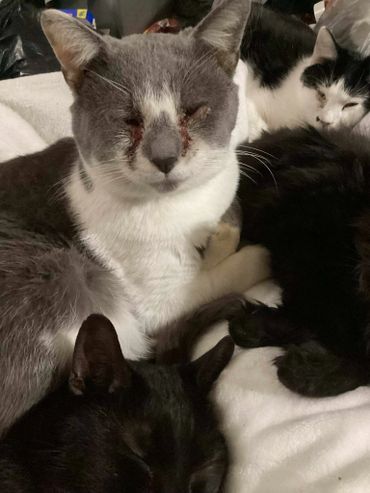
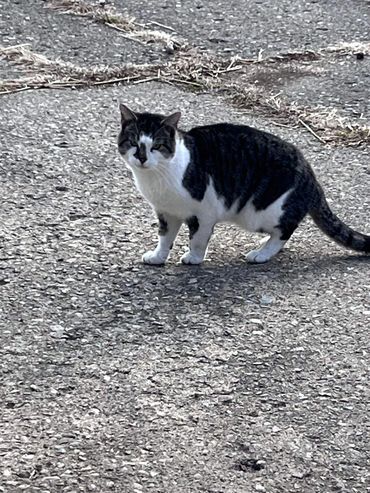
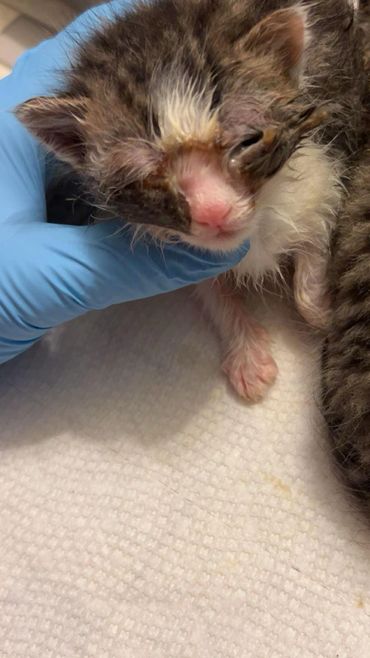
Mobile home parks often face ongoing challenges with stray and free-roaming cats. The close proximity of homes, shared outdoor spaces, and limited barriers between properties can unintentionally create ideal conditions for unaltered cats to settle and reproduce. Over time, this can lead to rapidly increasing cat populations, which frequently includes litters of unweaned and vulnerable kittens. In many communities, welfare organizations and caretakers report that a large proportion of kittens found outdoors arrive sick, dehydrated, or underweight, often requiring veterinary care that strains limited local resources and volunteers.
For property management, these challenges extend beyond animal welfare concerns. Managers must navigate resident complaints about noise, odors, and property damage while balancing community expectations, legal considerations, and maintenance costs. Without a coordinated, humane plan in place, the cycle of unmanaged cat reproduction and sickness can become a recurring burden. Programs like Trap-Neuter-Return (TNR), combined with clear communication and collaboration between management, residents, and animal welfare partners, have been shown to stabilize populations and reduce both nuisance issues and the frequency of sick kitten emergencies in these communities.
At Brookside Village, these challenges were very real—frequent litters of sick kittens, growing cat populations, and increasing strain on both residents and property management. What set Brookside apart was the decision by both management and ownership to proactively reach out for help. Rather than reacting to ongoing problems, they committed to being part of the solution by engaging in open dialogue, supporting humane strategies, and assisting with associated costs.
Through collaborative planning and the implementation of direct, on-the-ground services, we are now addressing every aspect of stray cat management at Brookside Village—from population control and medical care to resident communication and long-term oversight. The result is a program that is uniquely tailored to the community, yet intentionally designed to be scalable and replicable. ColonyKind demonstrates that when property leadership and animal welfare organizations work together, comprehensive and sustainable solutions are not only possible—they are effective.
2025 Stats
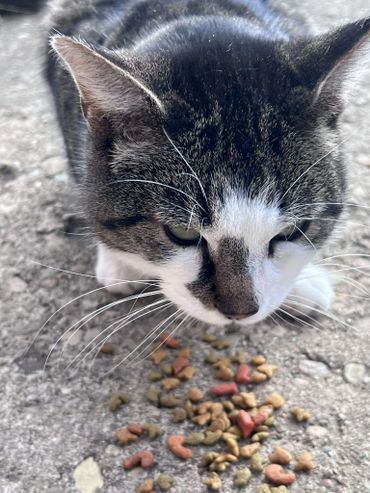
- 18 Cats TNR'd
- 1 Mammary Abscess Repair
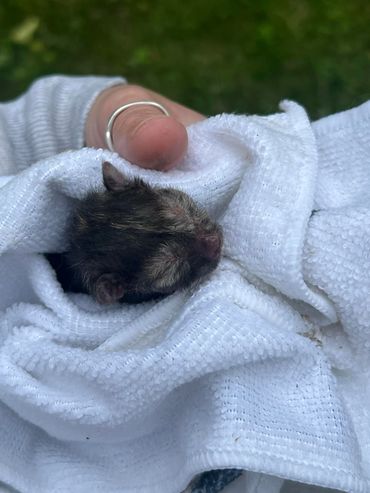
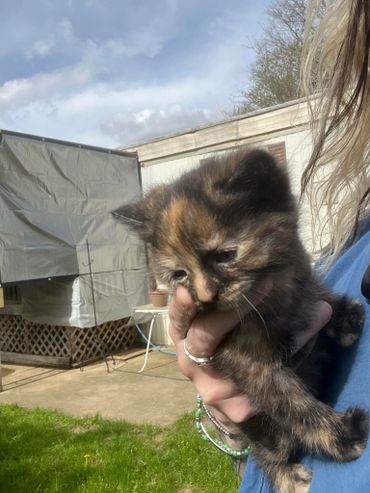
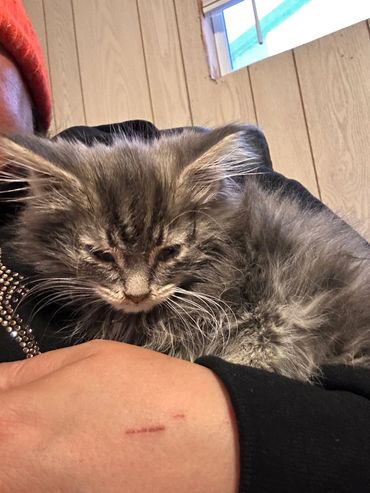
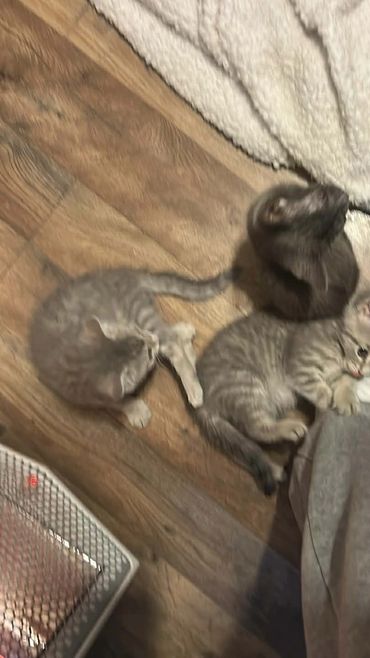
- 10 Sick Kittens Brought into TIPS (where we vetted, and spayed/ neutered, and adopted to loving homes!)
- 12 URIs Treated
- 1 FIV/ FeLV field test given
- Basic dewormers provided to all who ask (Tapex, Pyrantel)
- Facilitated Communications between management and residents
Support Clark County TIPS Today
Cinnamon: A Success Story
"Cinnamon was a community cat my kids found as a kitten hiding under a trailer over on Larkspur in Brookside in 2024. Apparently she followed them home and had been hanging around my trailer for sometime when she ended up pregnant last year.
I didn’t want her having kittens under our trailer so I brought her inside. She actually ended up having her kittens on my daughter’s bed.
From there I kept her inside as much as I could while I was home but she ended up getting out in June and came back in a couple hours later. A couple days after that my kiddo messaged me while I was at work about noticing the abscess and that’s when I contacted TIPS for help. I think her total vet bill was around $600 and over time (I do know I donated about $150 to that to help cover the cost)."

Moments of Hope: Our Journey in Photos